CAMBRIDGE, MA
YOU'RE INVITED
The PolyBio Convergence Summit
Pathogen persistence across chronic disease and aging
November 18–20, 2026 · American Academy of Arts and Sciences · Cambridge, MA · By invitation only
CAMBRIDGE, MA
YOU'RE INVITED
The PolyBio Convergence Summit
Pathogen persistence across chronic disease and aging
November 18–20, 2026 · American Academy of Arts and Sciences · Cambridge, MA · By invitation only
WHY NOW
Advancing a new understanding of how persistent pathogens drive chronic disease.
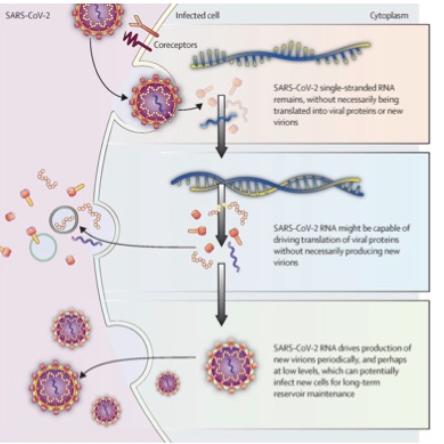
PolyBio has become a global leader in applying next-generation technologies to uncover how viral, bacterial, parasite and other pathogens contribute to chronic disease.
Working across a global research consortium, PolyBio has helped reveal biological mechanisms linking persistent infection to Long COVID, neurodegenerative disease, autoimmune disorders, chronic tick-borne illness, and the biological processes underlying aging.
But understanding disease biology is only the beginning. PolyBio is now building the infrastructure needed to translate these discoveries into advanced diagnostics, biomarker-driven clinical trials, and new treatments—accelerating the path from scientific discovery to patient care.
THE NETWORK
We've spent years building the network.
For years, PolyBio has connected investigators across 25+ leading academic institutions studying infection-associated chronic disease. More recently, we've expanded that network to include diagnostic developers, biotechnology and pharmaceutical leaders, commercialization experts, clinical trialists, medical educators, and regulatory leaders.
Because of these relationships, we know many of the people shaping the future of the field. Yet these communities rarely have the opportunity to work together, slowing the development of the diagnostics, clinical trials, and treatments patients urgently need.
That changes now.
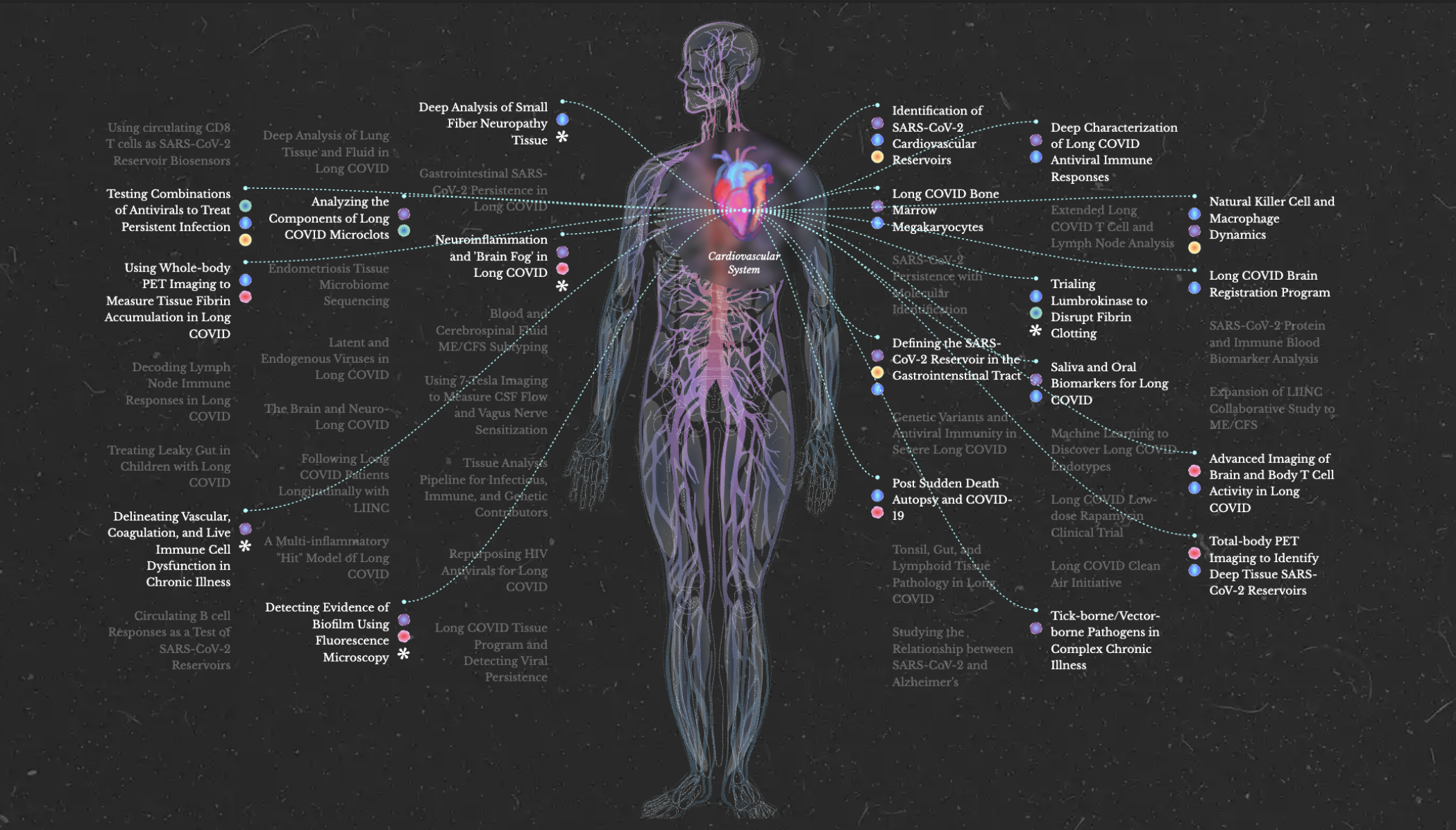
CONSORTIUM PROJECT EXPLORER
WHO'S PRESENTING
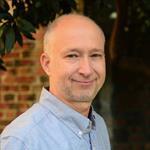
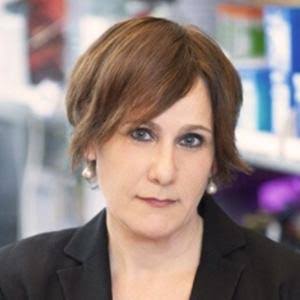
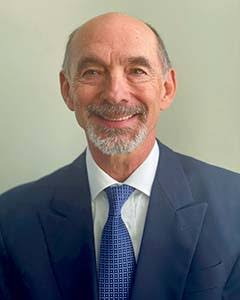
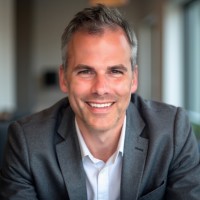
The people defining the field — across every stage.
DISEASE MECHANISMS
Timothy Henrich, MD
UCSF
Nadia Roan, PhD
Gladstone Institutes
Lena Pernas, PhD
UCLA
Benjamin Readhead, PhD
University of Arizona
Ian Crozier, MD
Frederick National Laboratory
ADVANCED DIAGNOSTICS
Shannon Stott, PhD
Boston University
David Walt, PhD
Harvard University
Christos Petropoulos, PhD
Labcorp–Monogram Biosciences
Devon Campbell
Prodct
Brandon Johnson
StudioDx
NOVEL TREATMENTS
Steven Deeks, MD
UCSF
Andrea Schietinger, PhD
Memorial Sloan Kettering
Jeffrey Ulmer, PhD
TechImmune
Marc Elia
Invivyd
Jeffrey Dow
60 Degrees Pharmaceuticals
HEALTHCARE INNOVATION
Michael Mina, MD, PhD
AnywhereDx
David Putrino, PhD
Mount Sinai
Brittany Caldwell, PhD
FDA
Brian Wang, PhD
ARIA
Shelby O'Connor, PhD
University of Wisconsin / Inkfish
A partial list — confirmed and invited speakers, with more announcing soon. Amy Proal, PolyBio, chairs the Summit.
HOW THE DAYS WORK
Every session is designed to create new collaborations.
01
Field-defining keynotes
The leading voices frame the questions the whole field will work to answer.
02
Cross-sector problem solving
Curated panel sessions maximize how researchers, diagnostics companies, industry leaders and other stakeholders tackle the same scientific questions together.
03
Ideas that travel
Our on-site podcast with Matt Kaeberlein extends the Summit's reach well beyond the room. The Summit will also be livestreamed free of charge, making its conversations accessible to a global audience.
04
Collaborations by design
You'll see who's coming and can book 1:1s and side sessions in advance, so you can plan the meetings you want and still leave room for the ones you don't expect.
05
A blueprint for the field
We capture the Summit's conclusions in a white paper shared across the entire field.
THE VENUE
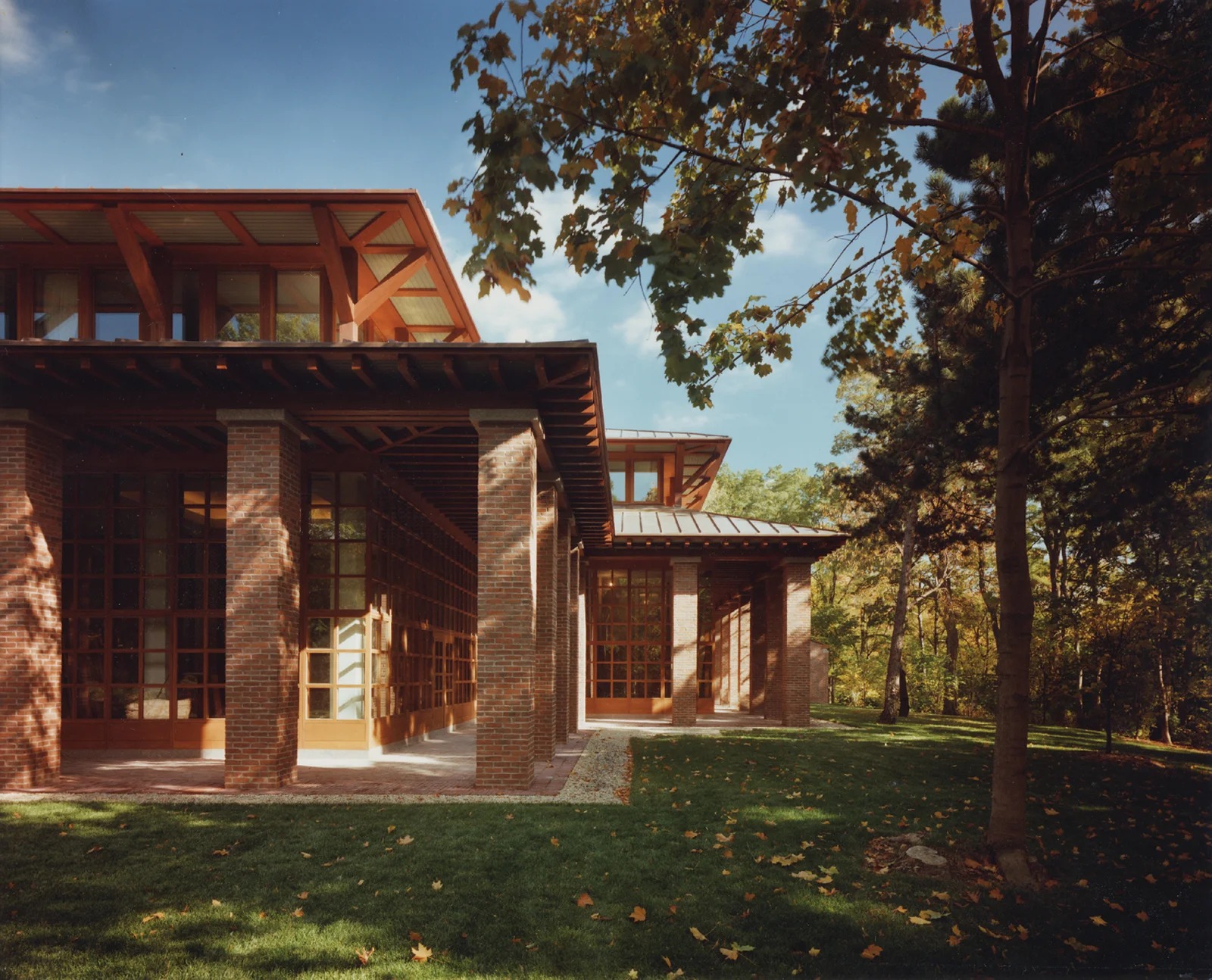
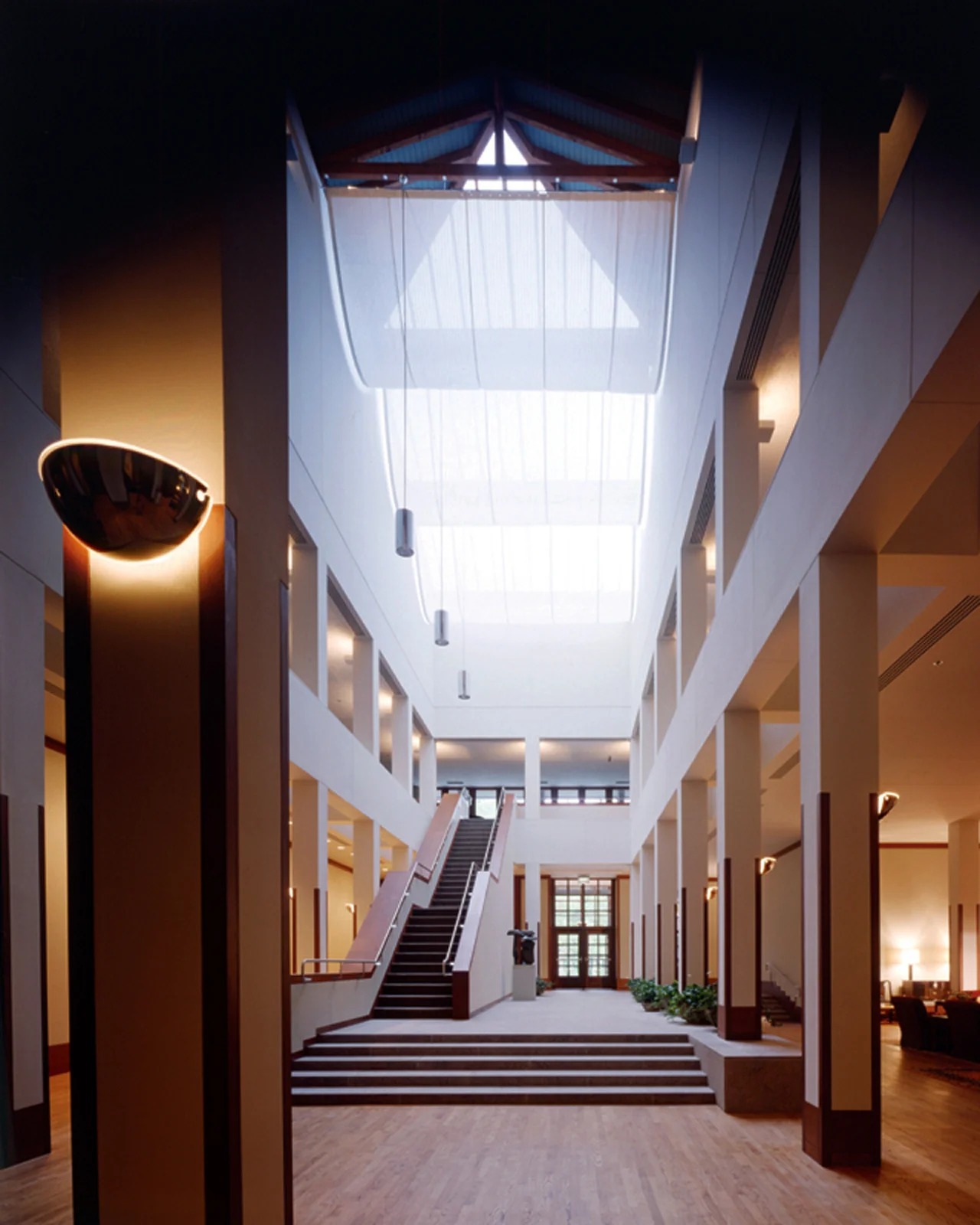
We chose a beautiful historic venue.
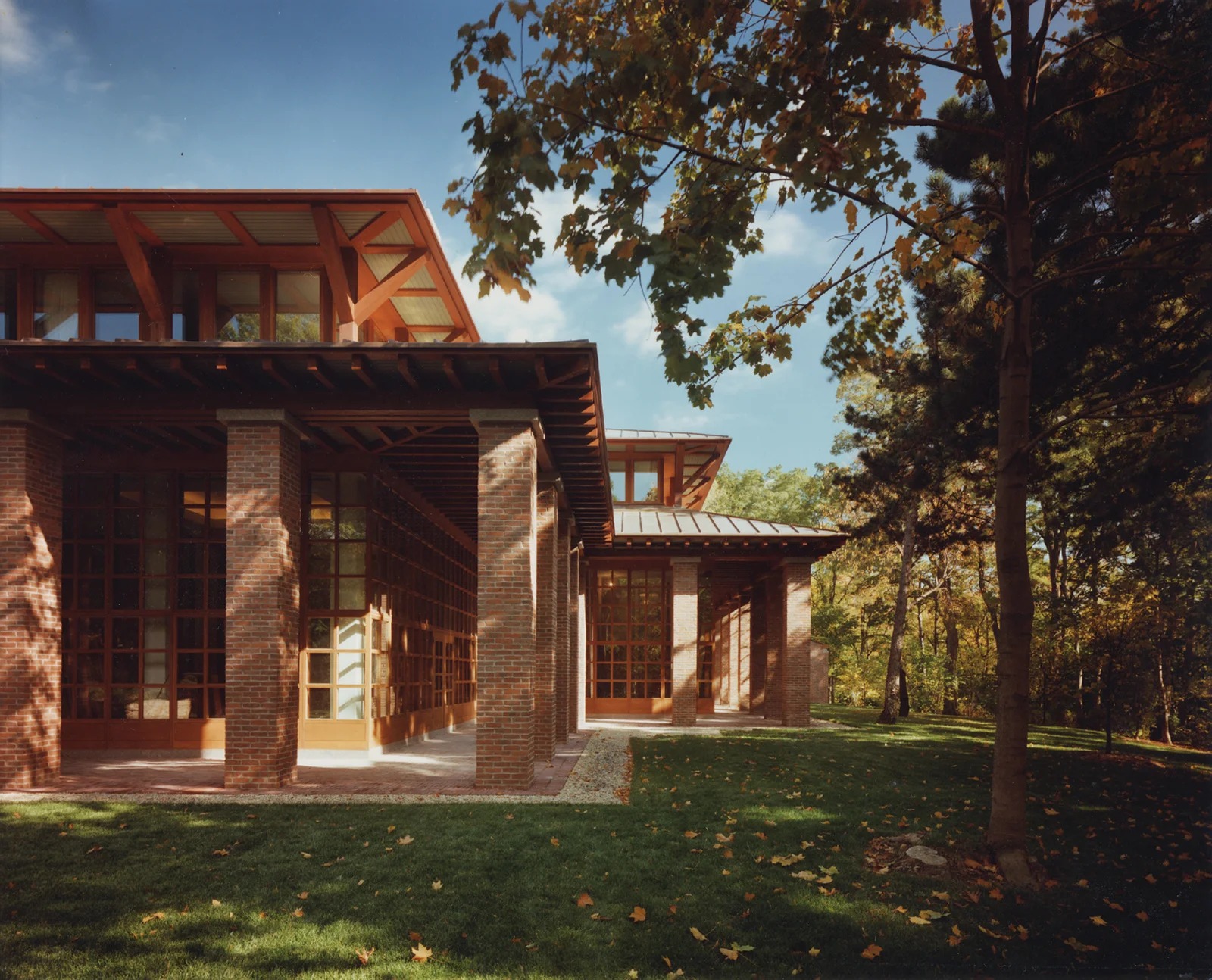
We're holding the Summit at the American Academy of Arts and Sciences in Cambridge — one of the country's oldest and most respected learned societies, founded in 1780 by John Adams and John Hancock. The campus combines historic significance with modern meeting spaces designed for conversation, discovery, and partnership. Holding it here says this work deserves to sit alongside the most important science of our time.
JOIN US IN NOVEMBER
Join us as we bring together the people who will define the next decade of infection-associated chronic disease research, diagnostics, and treatment.
Only PolyBio sits at the intersection of academic discovery, diagnostics, biotechnology, clinical trials, commercialization, medical education, and regulatory engagement. We would be honored to have you with us.
Register with the link and code in your invitation email. Standard registration is $600; your fee is waived.
November 18–20, 2026 · American Academy of Arts and Sciences · Cambridge, MA · By invitation only
Amy Proal
CEO, PolyBio Research Foundation
aproal@polybio.org
polybio.org